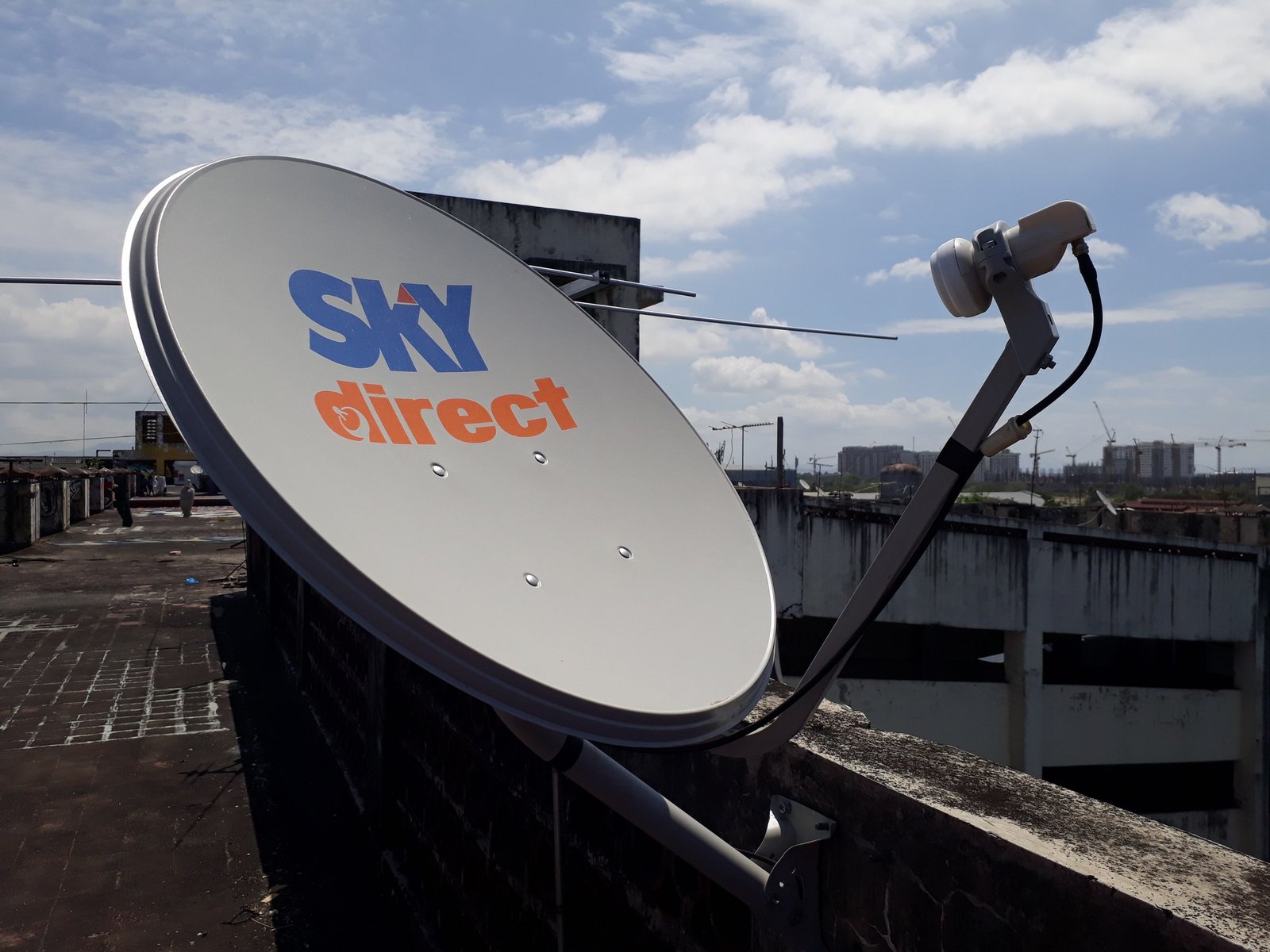
Field guide
Aligning a dish and receiver for Rostam Media
When a country's internet is switched off, the first thing usually lost is the news. Rostam Media was built for exactly that moment.
- Yahsat 52.5°E
- 11766 vertical
- SR 27500
- no internet
When a country's internet is switched off, the first thing usually lost is the news. Rostam Media was built for exactly that moment.
———————
A system that, with no internet connection at all, sends several gigabytes of news, video and tools every day via satellite to household receivers. The crucial point: Rostam Media is not a television channel to watch — it is a data stream that must be recorded and then extracted. Miss that distinction and no amount of trying will get you anything.
- Frequency
- 11766
- Symbol rate
- 27500
- Satellite
- Yahsat, 52.5° East
- Polarisation
- vertical
What you need: an ordinary dish receiving Yahsat, a standard digital receiver with USB recording, and a flash drive with at least 8 GB free, as the official FAQ requires. You record a few hours from the Rostam Media channel, then extract the files with the official software.
According to the official rostam.media site, the service sends about 4 GB of content per day. The parameters — Yahsat at 52.5° East, frequency 11766 vertical, symbol rate 27500 — are published there and cross-checked against the flysat satellite database. Satellite monitors recorded in August 2025 (Mordad 1404) that this exact frequency had carried Toosheh until then; Rostam Media took over the slot.
The full setup
Step 1 — Aim the dish
If your dish already receives Yahsat, this step is done. Otherwise there are two simple routes: copy the angle of a neighbour's dish that picks up the same satellite, or aim south — with a small offset to the east and an elevation of about 48 degrees (the value shifts a few degrees by city). What is often forgotten: after every small move, wait a few seconds, because the receiver responds with a delay. Turn quickly in a row and you may pass the correct point without noticing.
Step 2 — Enter the four numbers in the receiver
Receiver menus differ but the route is the same: open the installation section, choose manual search (not automatic — data channels are usually skipped in an auto-scan), select or add Yahsat at 52.5° East, and enter frequency 11766 with vertical polarisation and symbol rate 27500. All three values must be exact; one mistake and the receiver will not find the channel at all.
Step 3 — Record from the channel
- 1Plug in the flash drive — at least 8 GB free, per the official FAQ.
- 2Stay on the Rostam Media channel; changing channels stops the recording.
- 3Start recording and let it run for at least three to four hours, as rostam.media recommends.
- 4Stop, unplug, and connect the drive to a phone or computer — an OTG cable on Android.
The daily package is usually updated between 9 and 10 a.m., according to rostam.media's FAQ, so recording in that window or shortly after gives the best chance of a complete, fresh edition.
Step 4 — Extract the files
The recorded file is raw TS and still unusable. It has to be processed by the official software — which works offline — to become usable files. That software runs separately from the receiver, on a phone or computer.
When nothing arrives
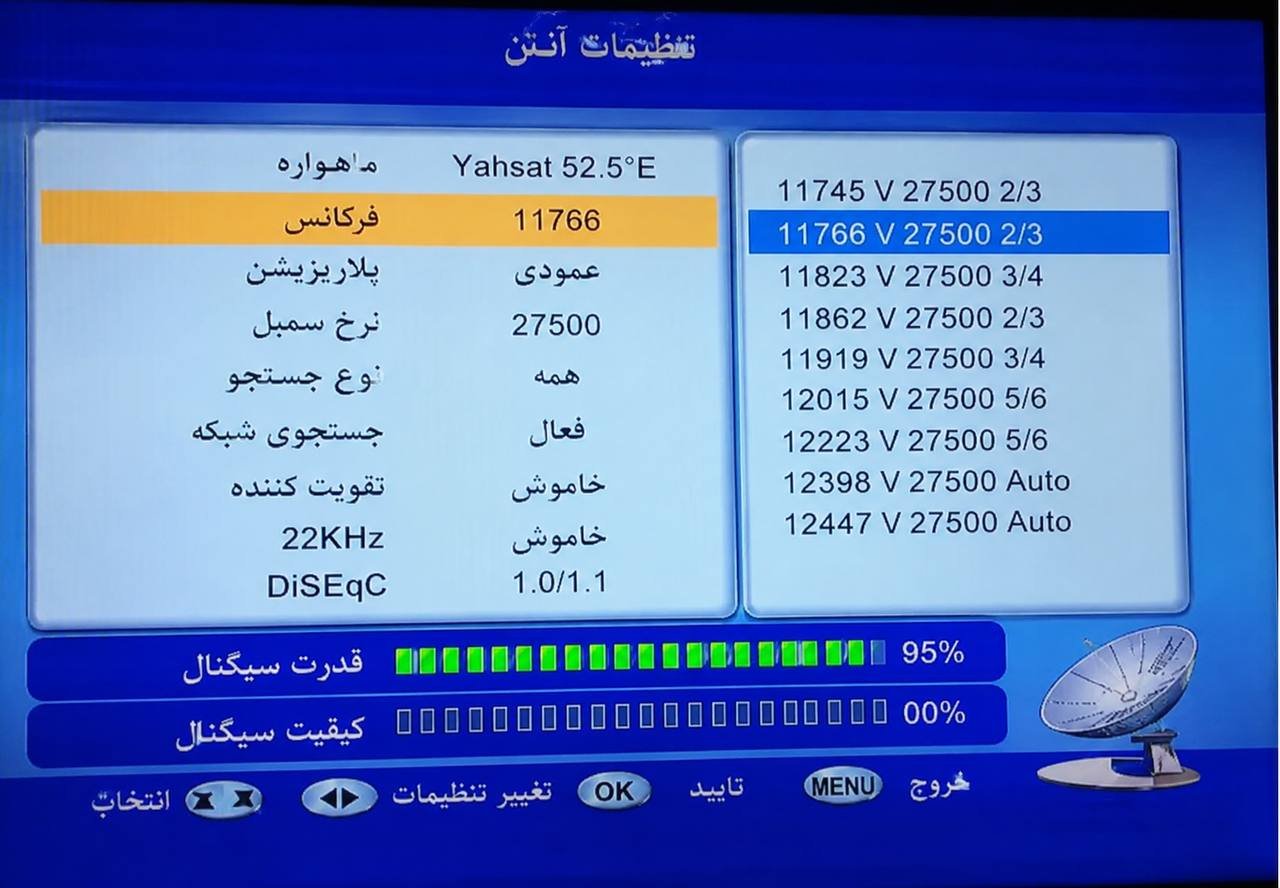
The dish is not on target yet; turn it degree by degree and wait after every move.
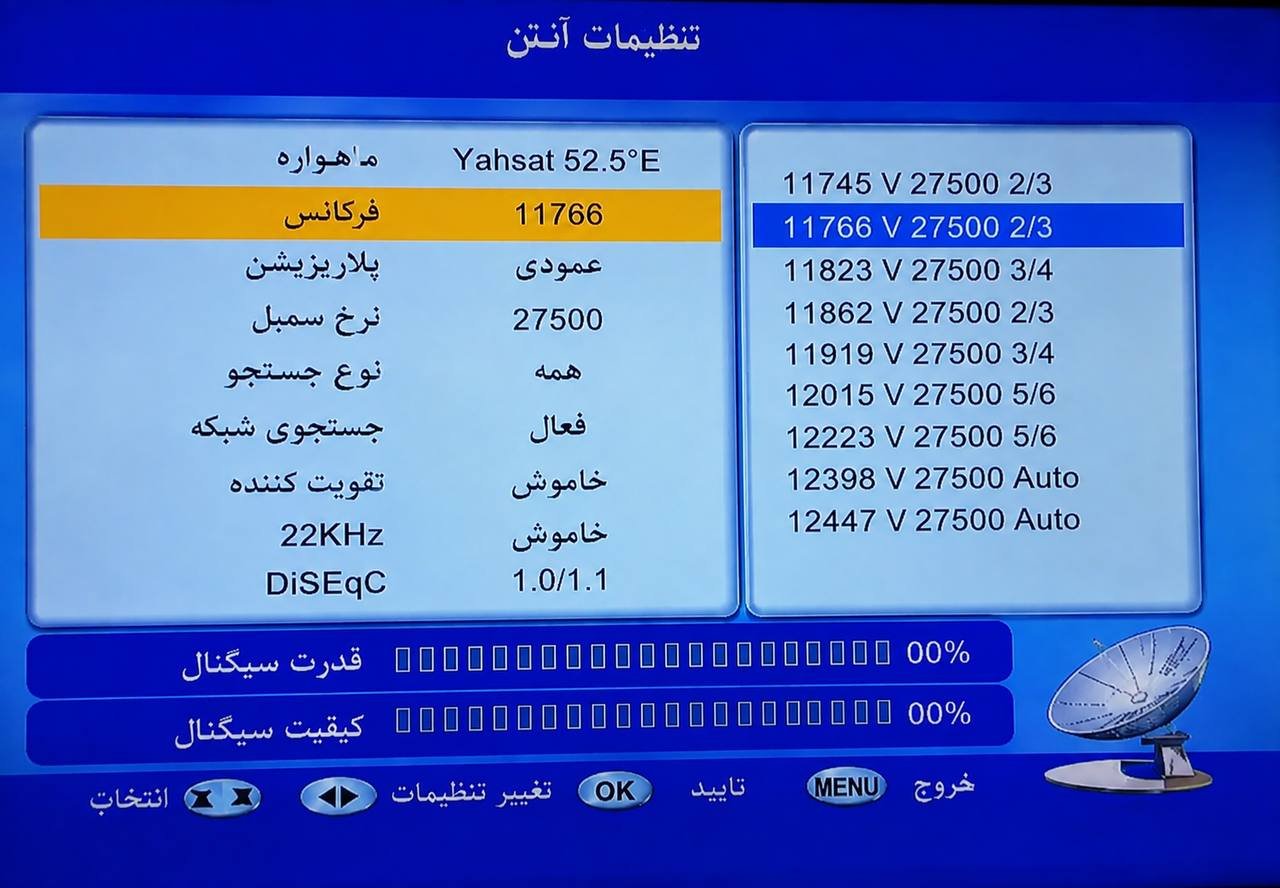
No signal reaches the receiver; check the cable, the connector and the LNB.
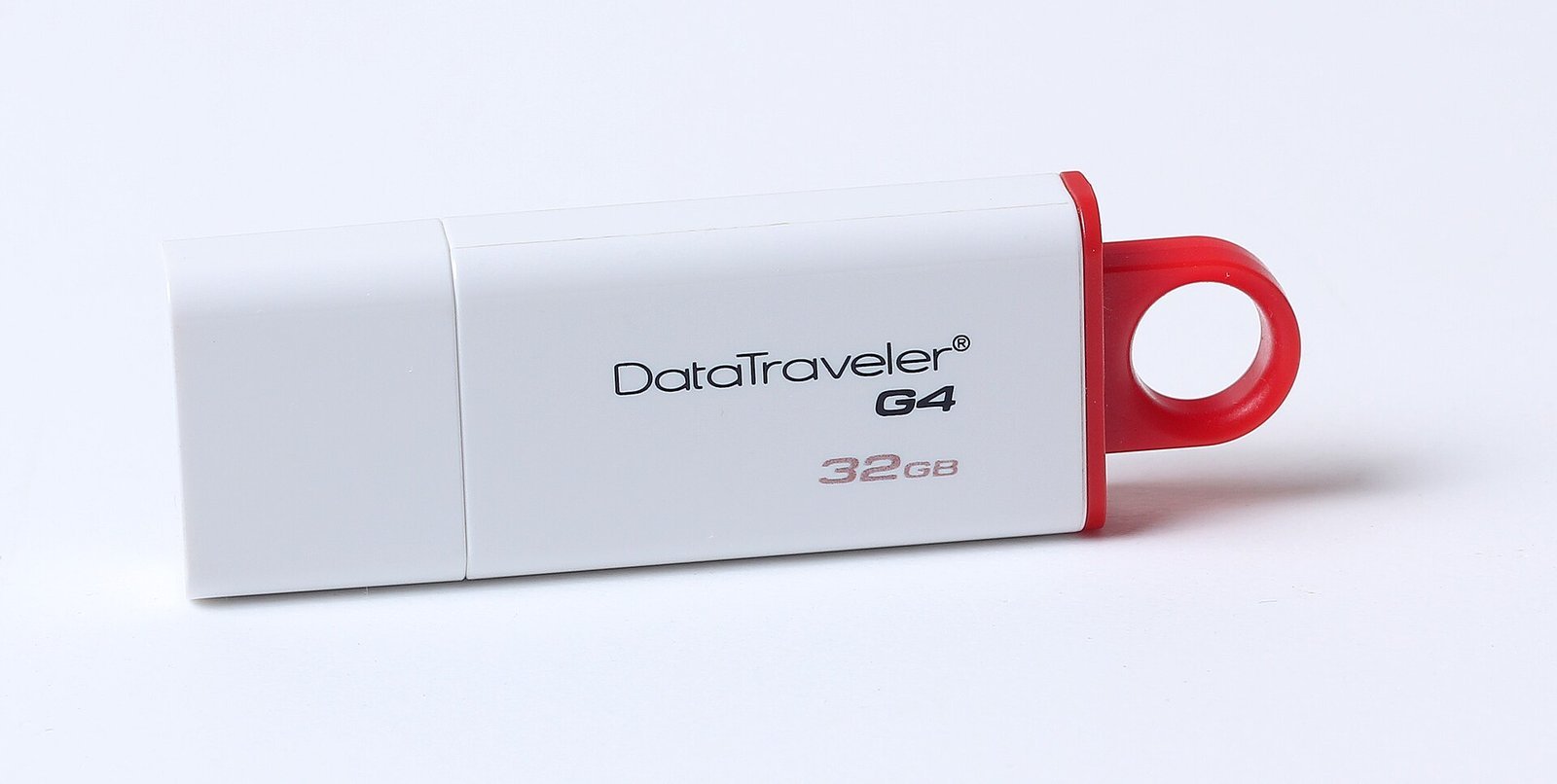
The recording was too short or the drive was not recognised; record longer and repeat.
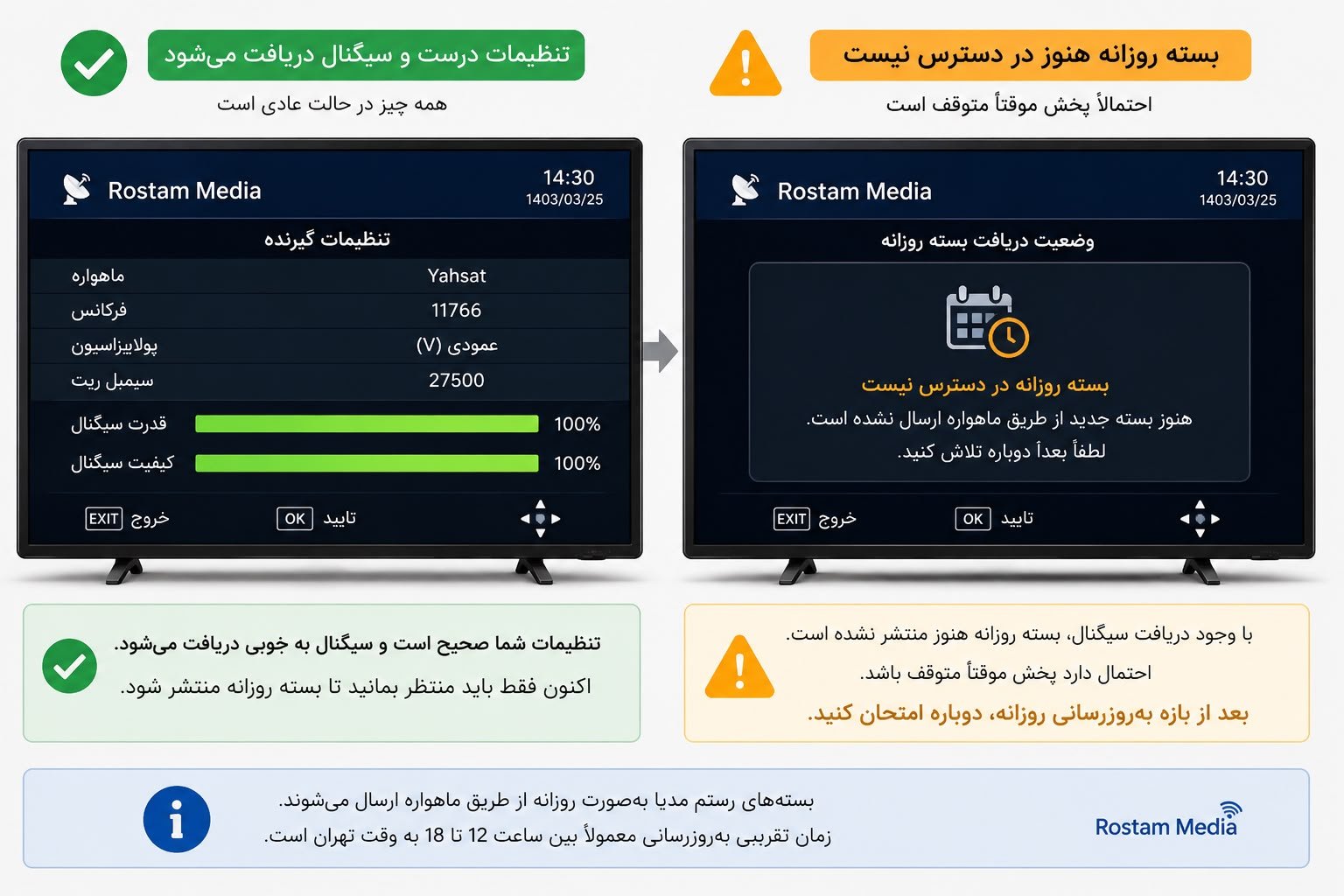
If everything is correct and still nothing arrives, the broadcast itself may be temporarily off; try again after the daily update window.
Summary
Rostam Media continues a path Toosheh started: using the satellite infrastructure that has existed in Iranian homes for years to deliver information on days when the internet is unavailable. The technical part — aiming the dish, setting the frequency — is done once; after that it is a matter of recording and extracting every day. The only thing that breaks this chain is being careless with those first few numbers, or not waiting while aiming.
The one who stayed behind the blackout
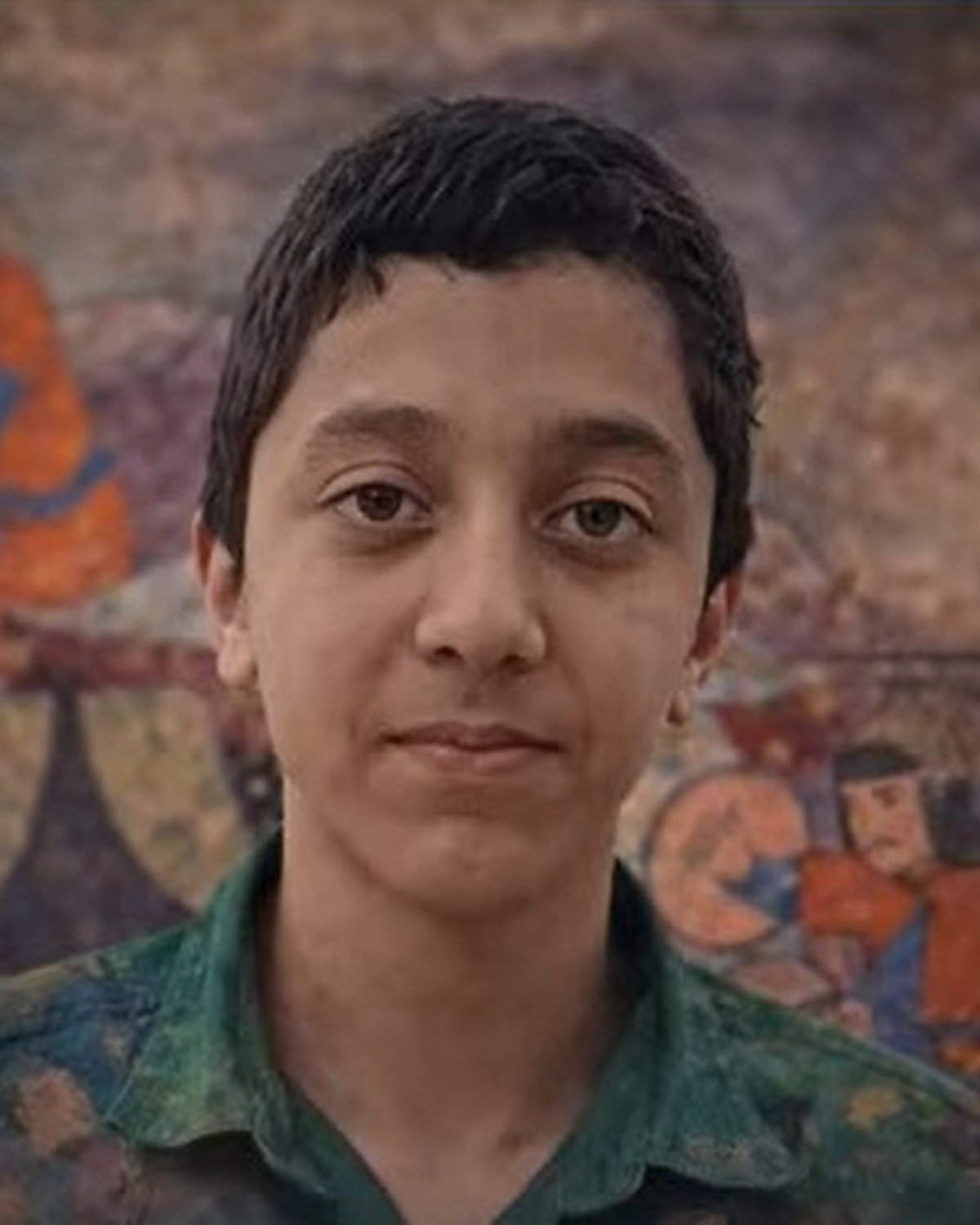




These devices are built for the days the internet is switched off. In the Dey 1404 uprising, human rights groups have counted more than 200 schoolchildren among those killed, according to the Center for Human Rights in Iran.
Sina Ashkboosi, 17, was a student. According to IranWire, he was hit by gunfire from security forces in Tehran Pars on Thursday, 18 Dey 1404 (8 January 2026), and died after being taken to hospital; Javidan Iran records a bullet to the heart as the cause. His name is on the list of 20 killed children Radio Zamaneh published. When the internet is switched off, the witness is switched off too — that is exactly what you are aiming this dish against today.
Where this guide continues
- Toosheh: the survival guide — the same sky, the old route
- Rostam Media: the field manual — extraction and all remaining features step by step
- Installing Toosheh — setting up the software on Windows and Android
- The Toosheh software guide — working with extracted files