Article
Toosheh: a visual guide to receiving files from satellite
The internet goes down, Toosheh arrives from the sky. The complete Toosheh guide, from zero to extracting files.
 Vision Pouya
Analysis, psychology and a narrative that breaks mental patterns.
The internet goes down, Toosheh arrives from the sky. The complete Toosheh guide, from zero to extracting files.
Behind every event there is a pattern. We show the pattern — not the headline.
Why do we believe? Why do we fear? The roots of behavior, named plainly.
A different narrative creates the exact moment a viewpoint shifts.

If you live in Iran — or make content for people there — you know the problem: slow internet, heavier filtering, and a daily struggle to reach news and independent media. And there are times when the internet is switched off entirely.

On 17 June, in the same Hall of Mirrors at Versailles where a binding treaty was signed a hundred and seven years earlier, Donald Trump and Masoud Pezeshkian signed a fourteen-point memorandum — and the media called it the end of the war.

Three decisions in seven days, all from the same house: Trump announced the "most crushing economic operation ever taken against any country", Tehran announced BRICS bank membership without the bank's confirmation, and Russian ships reached Amirabad with TNT and drone parts.
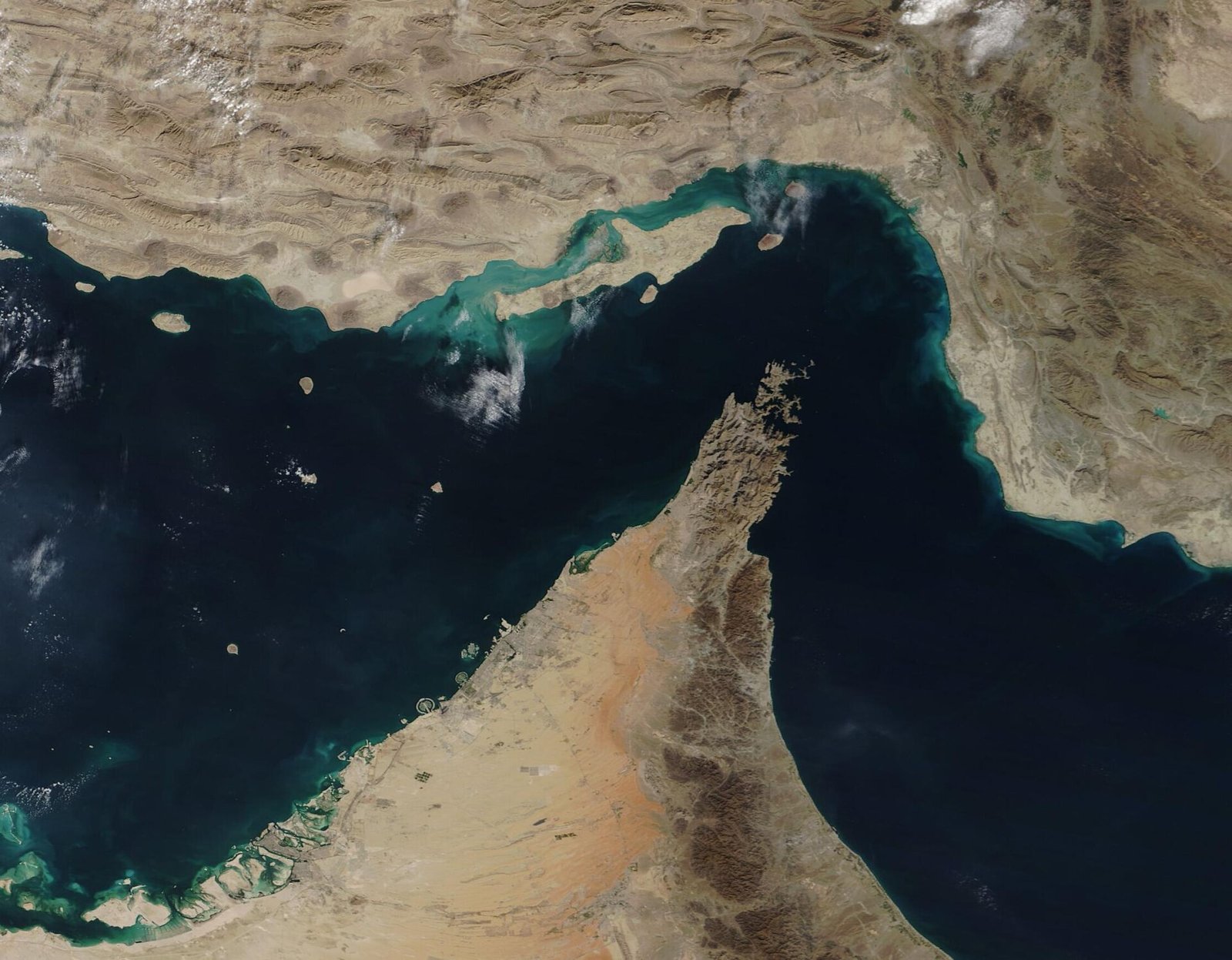
The UAE suspended all trade with Iran — closing the one window years of sanctions could not. Tehran denies the missile fire, its closest allies are already looking for an exit, and the bill lands on people who had no say in any of it.
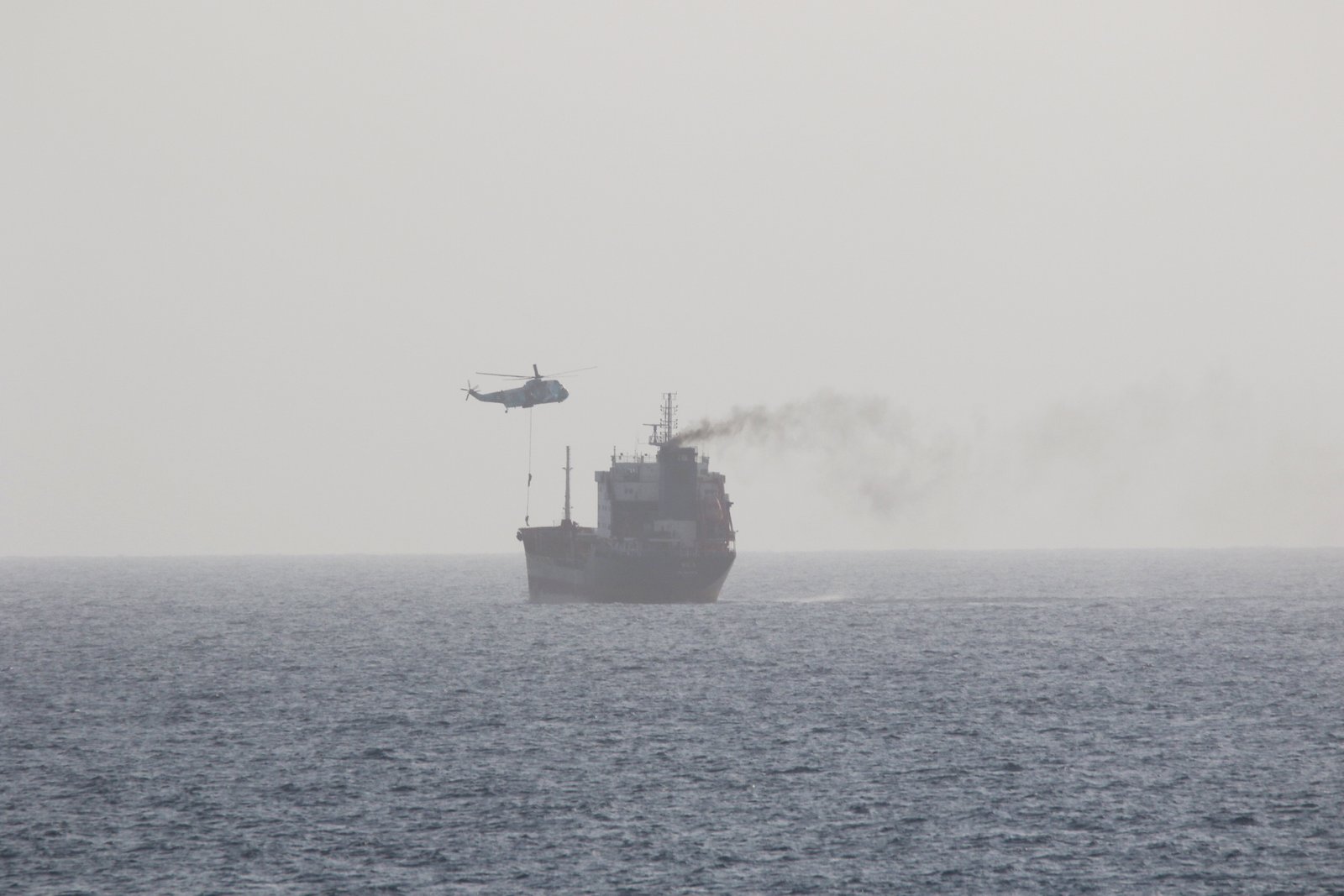
The 60-day deadline died Monday night, the strait stayed shut, and Tuesday morning a ship leaving Hormuz was hit. Tehran announces an understanding with Oman; Washington threatens to bomb it. And the name that was in no headline is still in none.
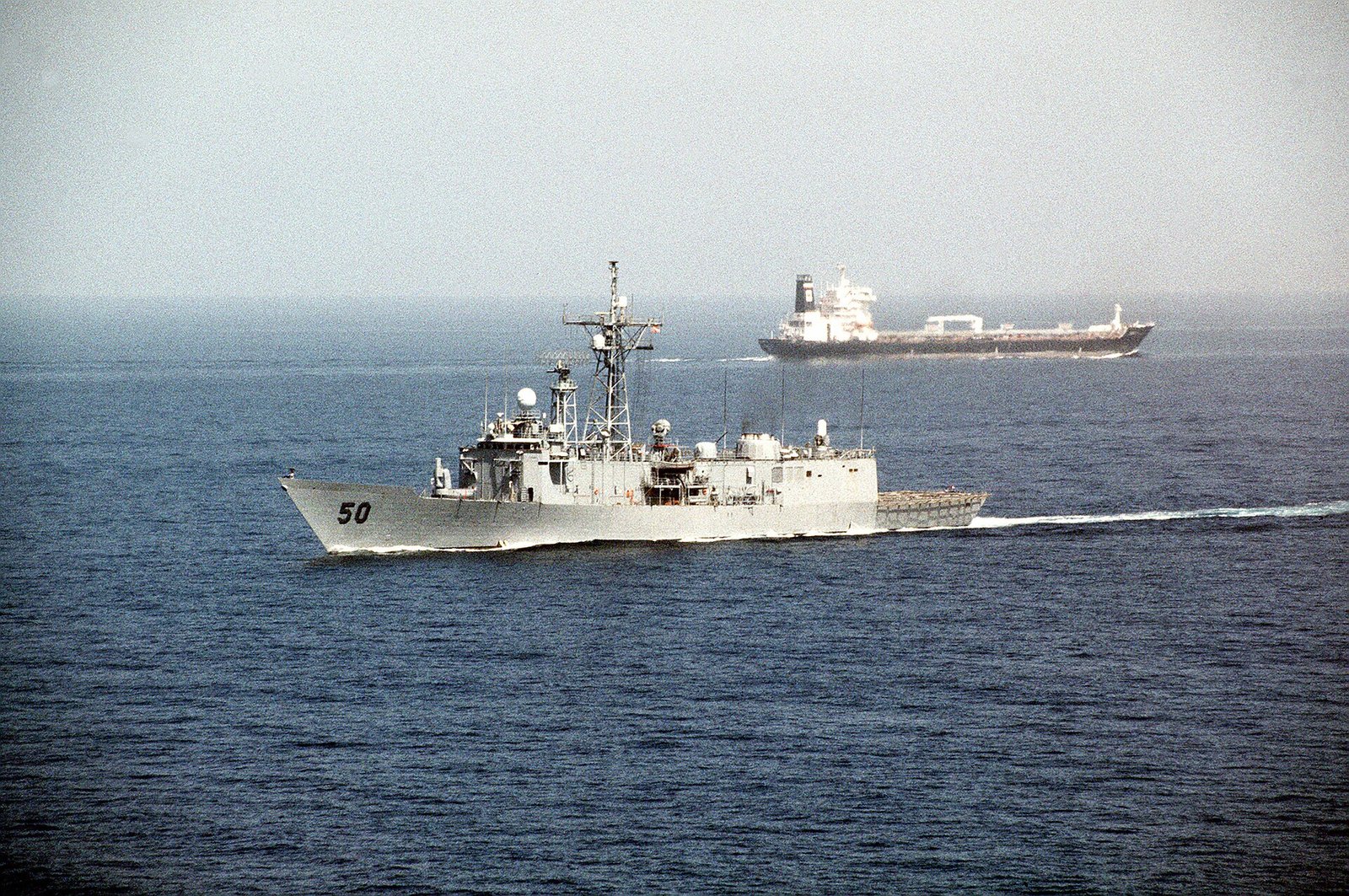
Kushner shuttled between Hamas and Netanyahu for two days; the result was agreement on machinery, not on the war. On the other front, Trump demanded Iran's surrender and threatened to bomb Oman — on exactly the 60th day of the interim deal.
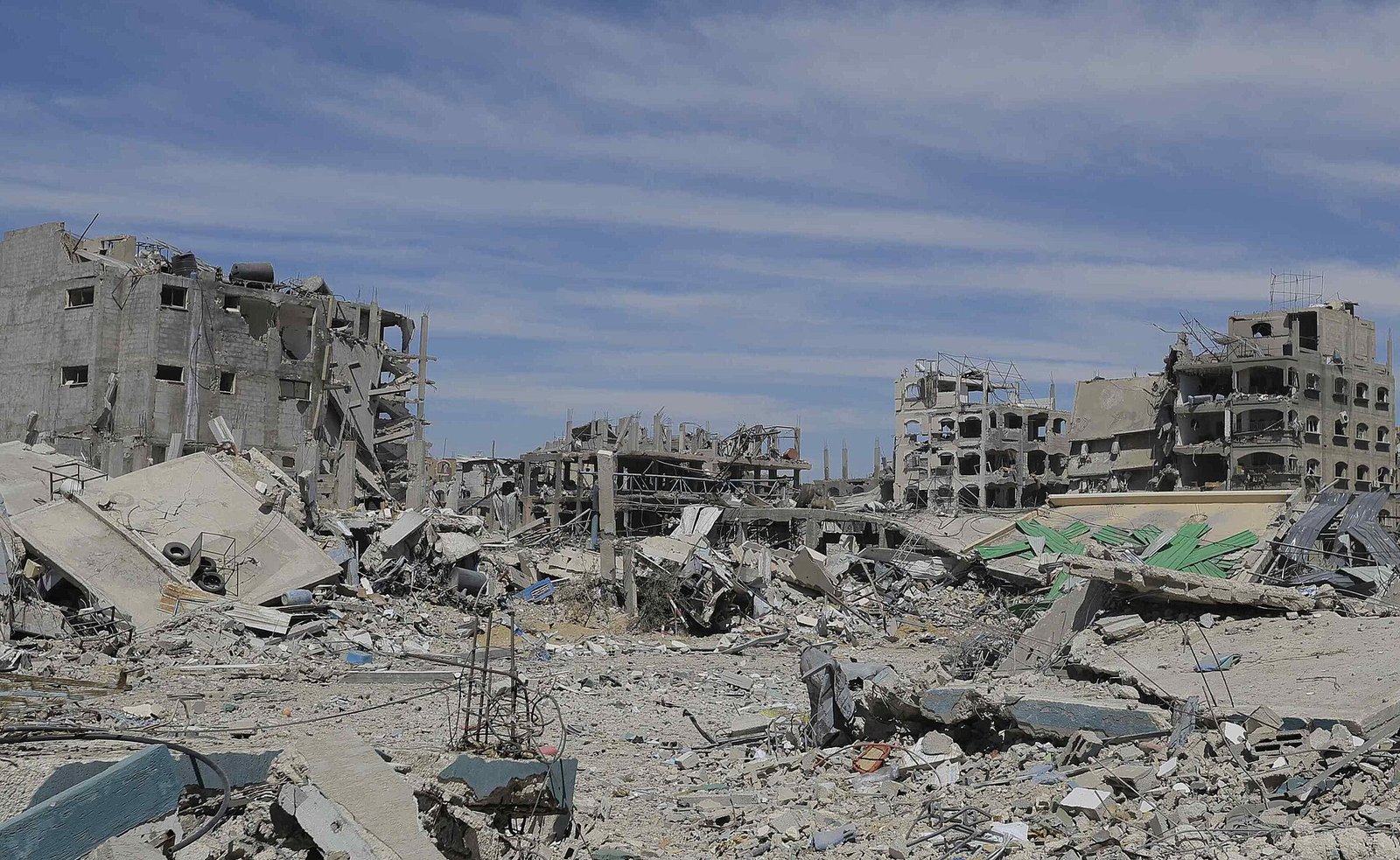
Trump called the Gaza document a historic agreement. Netanyahu rejected it in cabinet on Sunday. The disagreement is not about what the fifteen points say — it is about which of them happens first, and that decides who takes the risk.
On 17 June, in the same Hall of Mirrors at Versailles where a binding treaty was signed a hundred and seven years earlier, Donald Trump and Masoud Pezeshkian signed a fourteen-point memorandum — and the media called it the end of the war.
Three decisions in seven days, all from the same house: Trump announced the "most crushing economic operation ever taken against any country", Tehran announced BRICS bank membership without the bank's confirmation, and Russian ships reached Amirabad with TNT and drone parts.
The UAE suspended all trade with Iran — closing the one window years of sanctions could not. Tehran denies the missile fire, its closest allies are already looking for an exit, and the bill lands on people who had no say in any of it.