The UAE just cut off the artery sanctions never reached: a regime with no neighbors left
The UAE suspended all trade with Iran — closing the one window years of sanctions could not. Tehran denies the missile fire, its closest allies are already looking for an exit, and the bill lands on people who had no say in any of it.
The window that just closed
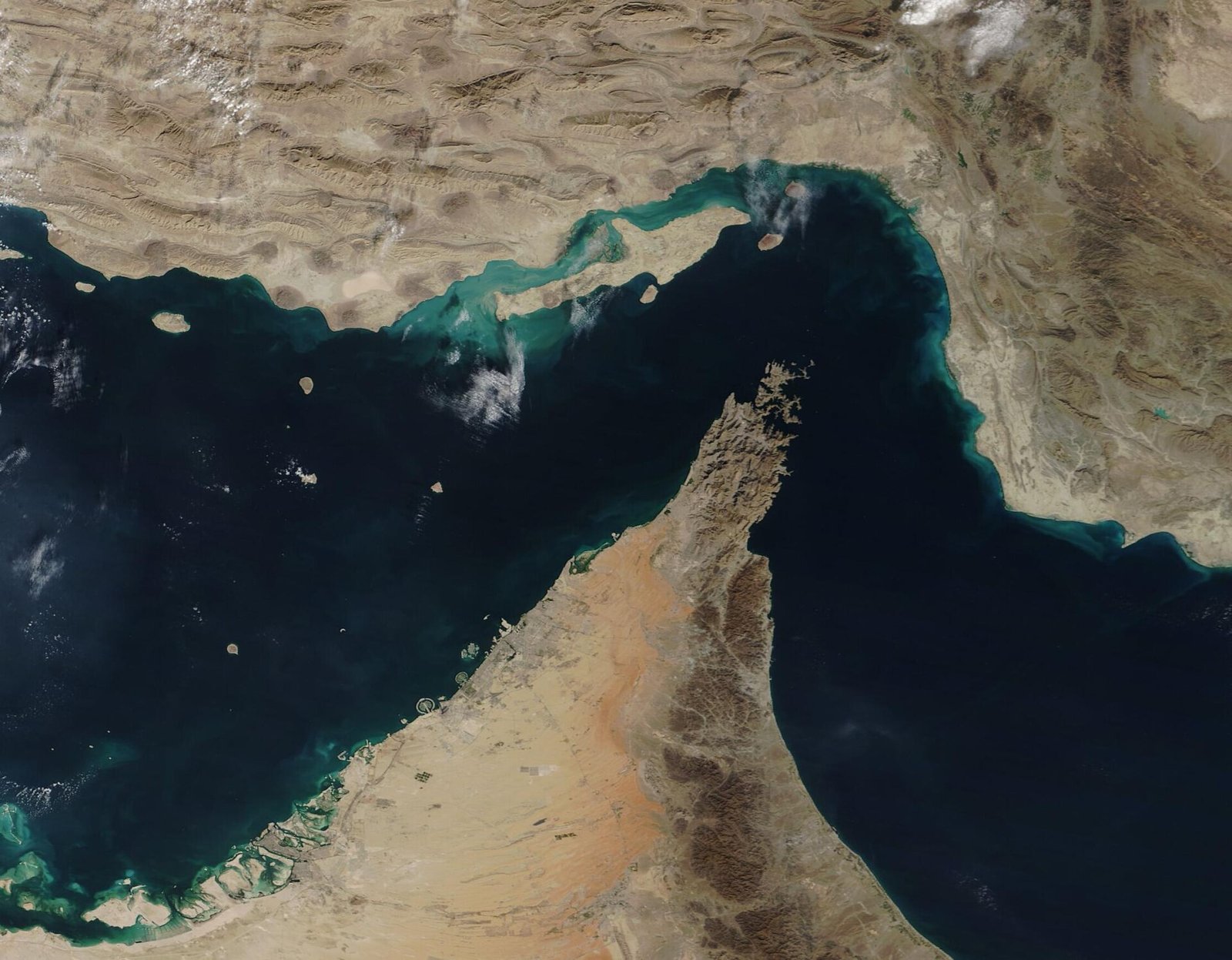
The first alarm in weeks. On Wednesday the United Arab Emirates suspended all trade, commercial exchanges and financial transactions with Iran until further notice — a move the foreign ministry framed as a response to regional escalation. For the Islamic Republic, gasping under US sanctions and a naval blockade, it closes the last remaining opening to the world economy.
Two bloodlines, and one cut
The UAE was never an ordinary trading partner. A former US Treasury official calls the Emirates and China the two economic bloodlines of Iran: Dubai was the gateway through which third-country goods reached Tehran, and much of what Iran called "imports from the UAE" was never Emirati at all — it was the world economy passing through a single door. Before the war, the Emirates supplied more than 30 percent of Iran's imports — nearly $21 billion — and took about 13 percent of its exports, according to World Trade Organization data. A regime that had spent years evading American sanctions just lost, through a neighbor's decision, the very opening the US Navy could not close.
The missile fire Tehran denies
The immediate trigger was a nationwide air alert overnight. Emirati officials say two ballistic missiles fired from Iranian soil were destroyed over the Gulf, aimed at maritime traffic. Tehran fell back on its familiar script: the foreign ministry spokesman called the claim incompatible with good neighborliness and pointed to a "history of false-flag operations in the region." But the numbers argue back. Four ADNOC tankers have been struck in the strait in the past two weeks; nearly 20 ships of the state-owned company have been hit by missiles and drones since the war began, leaving at least one dead and 20 wounded, per AP. The repeated denials no longer convince even Iran's neighbors.
A war the regime does not want to end
Nearly six months have passed since the US and Israel launched their joint operation on 28 February. The 60-day deadline expired Monday without result; Trump said the same day there were no talks underway or planned with Iran. Earlier he had claimed a direct channel to the Revolutionary Guards — a claim both the Guards' spokesman and he himself contradicted in the following days. A measure of the chaos hanging over decision-making on both sides of this crisis. Iran's foreign minister said Wednesday that Tehran has no interest in a ceasefire and wants only an agreement ending the war entirely — a position that in practice means the endless extension of people's suffering.
The naval blockade remains in force; traffic through the strait, which carried a fifth of the world's traded crude before the war, has collapsed. Iran's army chief of staff warned Gulf states again on Wednesday that any help to the US military counts as participation in operations against the Islamic Republic — a threatening tone that, timed exactly with the UAE's decision, showed once more a foreign policy that exports the crisis to every neighbor instead of solving it.
Even Iraq wants out
The isolation was visible in Baghdad on Wednesday: Iraq's parliament speaker asked Iran's speaker, Mohammad Bagher Ghalibaf, to grant Iraqi oil exports through the Strait of Hormuz "special status." The request shows that even Iran's closest regional allies no longer want their economies held hostage to a war Tehran helps sustain.
The price, paid by the people
Domestic reports meanwhile describe a fuel crisis and long lines across Iranian cities — a shortage stacking onto existing inflationary pressure, prompting even regime-adjacent media to warn of social unrest like November 2019. The regime's own economy shows what the standoff already costs: the International Monetary Fund projects inflation of nearly 70 percent this year and a 5.4 percent contraction, per AP, while the rial has hit record lows. Ten vessels transited the strait on Tuesday, according to the shipping platform MarineTraffic — fewer than a tenth of pre-war traffic. The picture is the old pattern: military and diplomatic decisions are made at the top, while the cost — a collapsing currency, fuel lines, economic isolation — lands on people who had no share in any decision.
The most important name that was in no headline
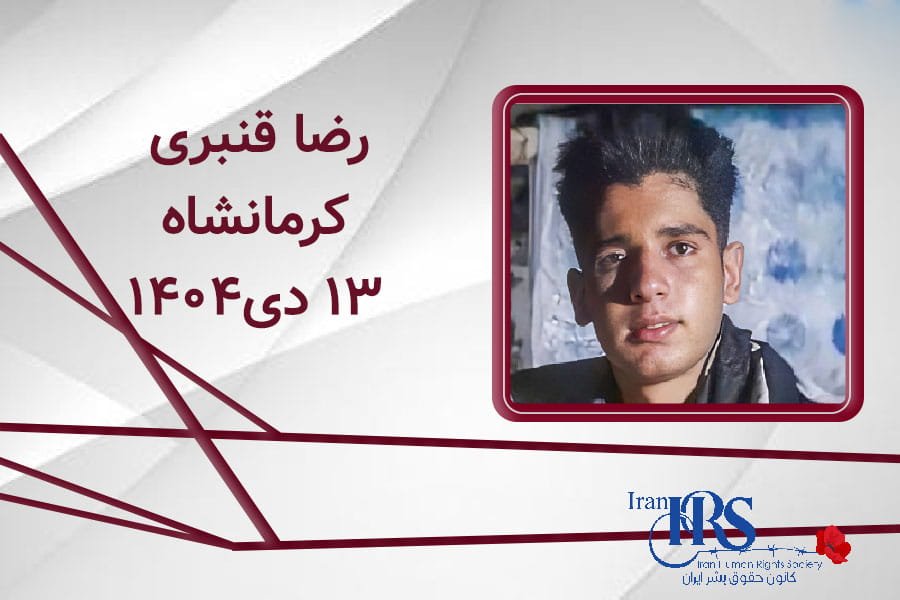
Reza Qanbari, 17, was a working child from the Jafarabad district of Kermanshah. On the evening of 13 Dey 1404 — the same nights Tehran and Washington were haggling over the strait — he was killed by direct fire from the Revolutionary Guards at protests in his own neighborhood; the human rights organization Hengaw lists him as the second child killed that same evening on that same street. His name appeared in no headline about the talks, because there were no talks and he was never part of the equation. He was simply the one who paid. The denials Tehran repeats to its neighbors are no more convincing to the family that found their child's body after days of searching.
More from this cluster
- Strait of Hormuz: the regime's deadlock — the deadline expired, the strait stayed shut
- The war over the strait — how the blockade became the main battlefield
- Anatomy of a regional war — the war from close up
- The memorandum that never held — a fragile framework from June