A document no one was bound to honor
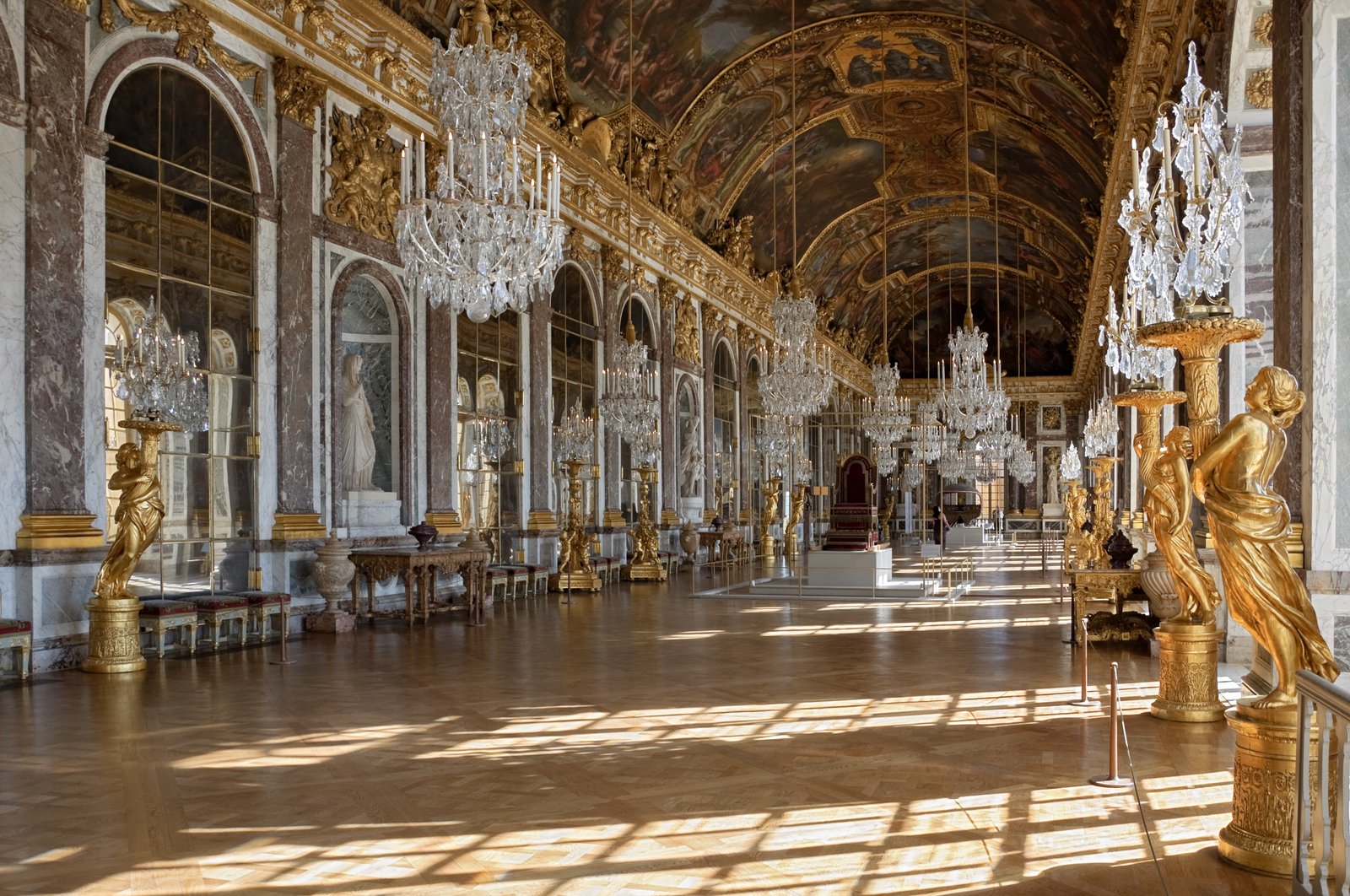
On 17 June, in the same Hall of Mirrors at Versailles where a binding treaty was signed a hundred and seven years earlier, Donald Trump and Masoud Pezeshkian signed a fourteen-point memorandum — and the media called it the end of the war.
Two months later, on 17 August, the 60-day deadline the document itself had set for a final settlement expired with no agreement at all. The Strait of Hormuz is still closed, Trump has threatened to bomb Oman, and what was called the end of the war in Versailles is now just the name of a starting point on a long list of promises never kept. Fox News reported that as the ceasefire deadline passed with no deal over the Strait of Hormuz, Trump threatened to bomb Oman and demanded Iran's surrender; the Associated Press reported an attack on a ship transiting the strait.
A document designed to be broken
The document's official name — memorandum of understanding — was no accident. A treaty in the American system requires Senate ratification, and breaking one carries legal consequences; a memorandum has neither. That nature decided from day one what would happen.
Less than a month after the signing, on 7 July, Iranian forces fired on 3 commercial ships in Omani waters near Hormuz, according to US Central Command. Washington struck Iranian targets in response; Iran warned of a crushing reply, and the Revolutionary Guards announced attacks on 85 American targets in Bahrain and Kuwait. By 18 July, Iran's deputy foreign minister Kazem Gharibabadi formally announced that Iran's commitments under the Versailles memorandum were suspended — with the claim that America had broken its word first.
Here a crucial point gets lost: the sequence of events. Iran's attack on the commercial ships in Omani waters came a week before the formal suspension of commitments. Tehran's official narrative presents the suspension as a reaction to American aggression; but the documented chain begins with Iran firing on commercial shipping, not with an American strike. It is a familiar pattern: responding to a crisis you helped create, then selling the response as self-defense.
The neighbors paid too
What followed the suspension did not stop at Iran's borders. In the same days the Guards claimed to be defending the country, Iranian missiles and drones hit civilian infrastructure in Kuwait, Bahrain and Jordan: a water treatment plant in Kuwait went down, Kuwait International Airport halted operations, and a base in Jordan was struck by medium-range missiles. These were not warring parties; they hosted American bases, and their citizens paid for a decision made in Tehran and Washington.
The pattern of proxy war and punishing third countries is nothing new in the Islamic Republic's behavior — but this time it came directly, without proxy groups as intermediaries. And the result is exactly what the Versailles document was supposed to prevent: a strait still closed, and a global oil economy still watching it.
A leadership not yet formed
To understand why the Iranian negotiator will not make a real concession even on managing a maritime strait, you have to go further back: on 28 February, a joint Israeli-American strike killed Ali Khamenei at his residence in Tehran, and more than 40 senior officials died in the aftermath. The country was left without a supreme leader; an interim council — Pezeshkian, the judiciary chief and a Guardian Council member — took over under the constitution until a successor could be chosen. But everyone knew decisions were being made elsewhere.
A system still repairing its own head has little structural incentive for lasting concessions. Any sign of flexibility, in a climate where the Guards pressed for a quick leadership choice, could be read as weakness in the internal power struggle. A memorandum signed with a government in the middle of rebuilding its leadership was fragile from the start — more fragile than the media showed on signing night.
Victims who sat at no table

That same cold and brutal winter, the nationwide Dey protests were met with bloody suppression. Among the dead, a list of at least 230 children and students has been documented. One of them was Anila Abutalebian, an 8-year-old girl from Isfahan; according to independent groups that register victims, security forces fired at her family's car on the 19th of Dey and a bullet hit her head. Regime-affiliated media blamed rioters for her death; independent reports say her body was returned to the family only on condition of a televised interview repeating the official narrative.
The pattern repeats. The resemblance between Anila's death and the Kian Pirfalak case in earlier protests is no coincidence; it points to a fixed method: immediate denial, blaming protesters, and full control of the funeral to prevent the making of a symbol. For none of these children was any document signed — binding or not. They stayed outside every negotiating table that decided their country's fate.
Outlook
The 60-day Versailles deadline expired with no result. The US and Iran remain deadlocked over managing Hormuz and the fate of Iran's frozen assets, and Trump's threats now reach a third-party mediator like Oman. What repeated in the summer of 2026 is the smaller version of the old pattern: a document is signed, its photo is circulated, and the real cost is paid by those who sat neither in Versailles nor had any choice in Bahrain or Kuwait. Until the nature of these documents changes, repeating the cycle is likelier than ending it.
Where this file continues
The backstory of the closed strait is followed day by day in Hormuz brinkmanship, the full timeline of the war in Anatomy of the 2026 war. Who won the invoice asks who paid for this cycle, the ceasefire dictionary unpacks words like memorandum, and the deepfake case files archive the images made alongside these stories.