Strait of Hormuz: the regime's deadlock — deadline expired, lies continue
The 60-day deadline died Monday night, the strait stayed shut, and Tuesday morning a ship leaving Hormuz was hit. Tehran announces an understanding with Oman; Washington threatens to bomb it. And the name that was in no headline is still in none.
A projectile in the engine room
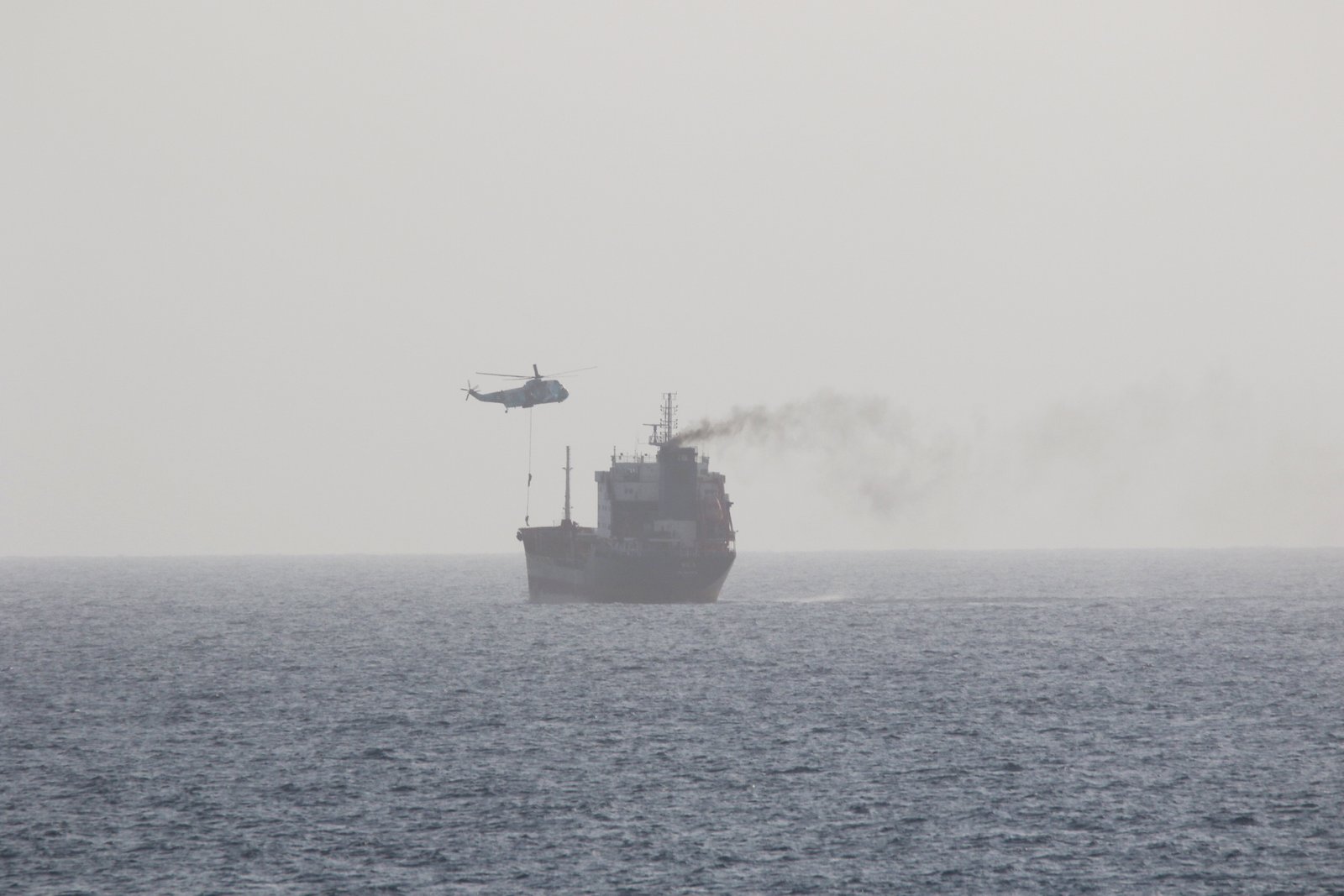
A projectile in the engine room. A crew member hurt — killed or wounded, unclear. No one claimed the attack.
Early Tuesday, the ship was leaving the Strait of Hormuz when it was hit. The strait has been effectively shut since 28 February, when the US and Israel struck Iran, per AP. The British military's UKMTO monitoring center said the engine room was damaged and 1 crew member was hurt off the coast of Oman; it did not say whether the crew member was killed or wounded. The Omani coast guard was assisting the crew and investigating.
The attack was the first act of the morning after the day the 60-day window died. Monday night, the deadline set by the June memorandum — for halting hostilities, reopening the strait, and framing a broader deal on Iran's nuclear program, sanctions and regional security — expired with no deal and no extension, per AP. Nearly 6 months into the war, each side accuses the other of breaking the very memorandum that was supposed to end it, per AP. Six months of war. Two accusations. Washington keeps a naval blockade on Iranian traffic, and traffic through the strait is under 10% of pre-war levels, Trump has said, behind the "wall of steel" the US Navy drew around it. The window closed. The strait stayed shut.
The memorandum was signed on 17 June in Versailles and the strait reopened a day later; by 18 July Tehran had suspended its commitments. On the night of 17 August the 60-day window expired with no deal and no extension, per AP. No extension came. And on the morning of 18 August, a ship leaving the strait was hit.
The Oman route: an escape hatch, not a solution
Tehran says it has reached an "understanding" with Oman on the map of a transit route and is finalizing a joint statement; foreign ministry spokesman Esmail Baghaei repeated the claim on Monday. Egypt's foreign ministry, after a meeting between the Egyptian and Omani foreign ministers, called the understanding a possible path back to the negotiating table for a comprehensive deal — in the same statement that did not address Trump's fresh threat against Oman. The route needs a green light. None of this has force without it. The pattern is familiar. An agreement announced at home for domestic consumption, before the other side has even confirmed it exists. Nothing was signed.
Two sets of conditions, one waterway
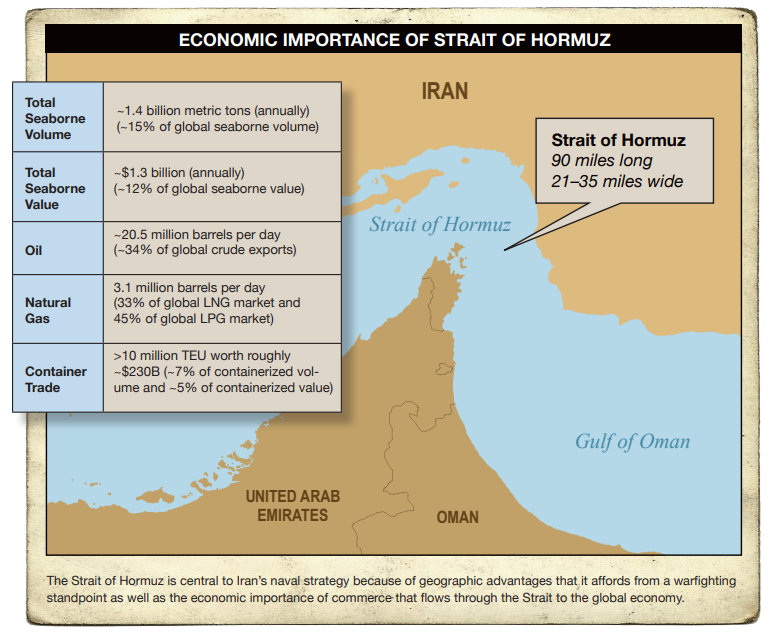
Parliament speaker and former negotiator Mohammad Bagher Qalibaf repeated Tuesday that the strait will not reopen until the United States lifts the blockade, releases frozen assets, ends oil sanctions and stops threats and military operations on all fronts. Washington's demand is simpler: free and unrestricted navigation through a strait that carried roughly 1/5 of the world's traded oil before the war, per AP. About 1/3 of global crude exports and a third of LNG trade also passed through it, per the US government chart — at its peak, some 20.5 million barrels of oil a day, per the same chart. The distance is the story. Between those two positions sits the structural problem: a regime that holds the security and economic interests of more than 80 million people hostage to ideological negotiation and to its own survival.
Trump said Monday at the White House that Iran wants a deal but is not willing to accept the kind of deal he considers necessary, and repeated that Iran must not get a nuclear weapon. In a Fox News interview he warned Oman — if Oman gets in the way, it will be bombed — and told Iran to raise the white flag of surrender. As sharp as the language is, it reflects a real deadlock at the table. Not merely a pose.
Fronts the regime keeps open
The Houthis, Iran's recognized ally in Yemen, claimed a drone attack on a Saudi Aramco refinery, per the Houthi-run SABA agency — an attack that could open another front. The UN said Monday that at least 17 civilians have been killed in government-held areas of Yemen since August 6 in rebel attacks, and an August 11 attack on a cargo ship in the Bab el-Mandeb strait killed 4 crew members. The proxy network the regime invested in for years remains both a lever of pressure and a source of instability — paid for not by its leaders but by the peoples of Yemen, Saudi Arabia and ultimately Iran itself. The bill always lands on people.
Recep Tayyip Erdogan called Trump on Monday night, in the final hours of the negotiating window, urging maximum use of diplomacy. Regional players, unlike Tehran, are still looking for a way to contain the crisis. For the rest of the world the cost is easier to state: the waterway that carries about one-fifth of the world's traded oil is a choke point where an unclaimed projectile can move prices on Tuesday, and an expired deadline can move them again on Wednesday.
The most important name that was in no headline

On the evening of 18 Dey 1404 — January 8, 2026 — 3-year-old Melina Asadi stood with her father on Taq-e Bostan Boulevard in Kermanshah. She was three. Her father, Ehsan Asadi, a city bus driver, had left home to buy baby formula and medicine for her 2-year-old brother; Melina insisted on coming along. Shots and birdshot from security forces hit her head and body. She was not a protester. She was simply there. State media first blamed protesters for her death, per Hengaw and Euronews Persian; then the same state called her a martyr, and the governor of Kermanshah spoke of Melina's pure blood. The headlines were about deadlines and tankers. Her name appeared in none.
Where the deadlock comes from
The war has been declared over three times; the anatomy of the 2026 war counts the endings, and the strait stayed shut anyway. The ledger of the clause never performed shows how a signature in Versailles became 60 days of negotiation, and Kushner's two days of diplomacy carried the same story into its final day. The fifteen-point order of operations is the framework the deadline was supposed to activate. When the stall really ends, the bread-price index and the war-is-over tracker — the measures of what it costs and when it is truly over — will say so before any statement does.