Fifteen points, one dispute, and it is about the order
Trump called the Gaza document a historic agreement. Netanyahu rejected it in cabinet on Sunday. The disagreement is not about what the fifteen points say — it is about which of them happens first, and that decides who takes the risk.
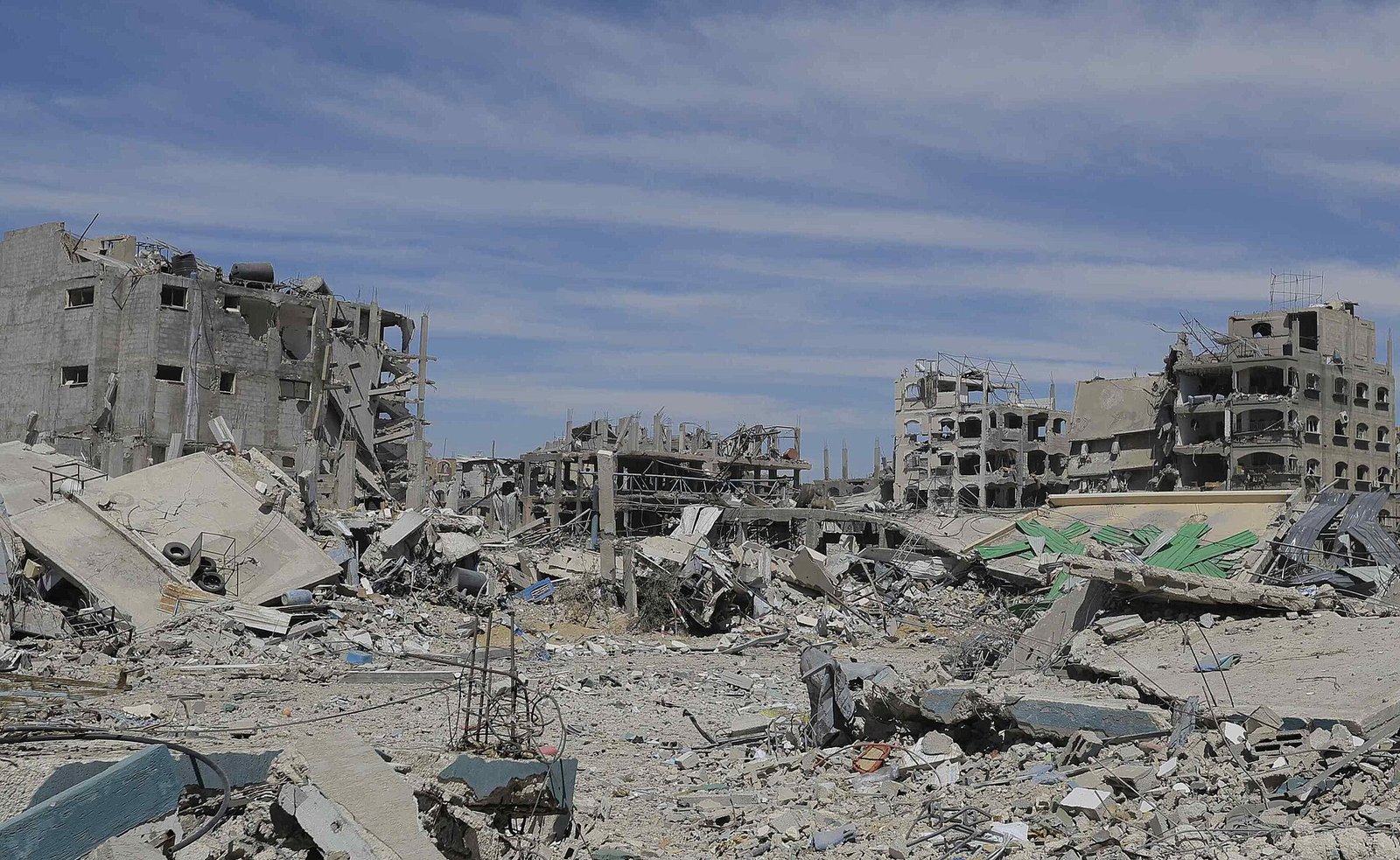
- Israel rejects the 15-point document, Netanyahu told his cabinet on Sunday, per the New York Post.
- The army will not withdraw a single step until Hamas is disarmed — heavy weapons, light weapons, all weapons — per the Daily Wire, citing Reuters.
- Trump had called the same text a historic agreement a month earlier.
Both sides accept disarmament. Both accept withdrawal. Neither will go first.
Inside the 15 points
Per the Daily Wire, the text was negotiated with Arab mediators in Cairo and its implementation sits with a Board of Peace chaired by Trump. Per the Daily Wire, the route runs in 5 steps: Hamas hands over heavy and light weapons across several months, discloses the locations of tunnels and weapons depots, a Palestinian technocratic administration takes over under the Board's supervision, Israeli forces leave only those areas whose demilitarisation has been independently verified, and an international stabilisation force then works with a new Palestinian police unit to hold order.
That stage was meant to follow the October 2025 ceasefire, per the Daily Wire — the one that covered the exchange of hostages and prisoners. Per the Daily Wire, the new paper took on the 3 harder questions: full disarmament, withdrawal, and who administers Gaza afterwards.
Why sequence is the whole argument
| | what Israel wants | what the document sets out | | --- | --- | --- | | order | full disarmament, then withdrawal | sector by sector, in step | | method | one condition met before any move | verified area, then withdrawal from it | | effect | the other side moves first | whoever moves first is exposed |
This is not a procedural quarrel. Whichever party acts first has surrendered its only leverage without having seen the other's, and in a war that has run since October 2025 per the Daily Wire, neither will accept that exposure first.
Per the Daily Wire, the Board of Peace has said Israeli forces will not pull back beyond current lines until Hamas's weapons are fully decommissioned. Per the New York Post, Hamas conditions its own agreement on Israel first returning to what is called the yellow line.
Both conditions are reasonable alone. Together they are a deadlock.
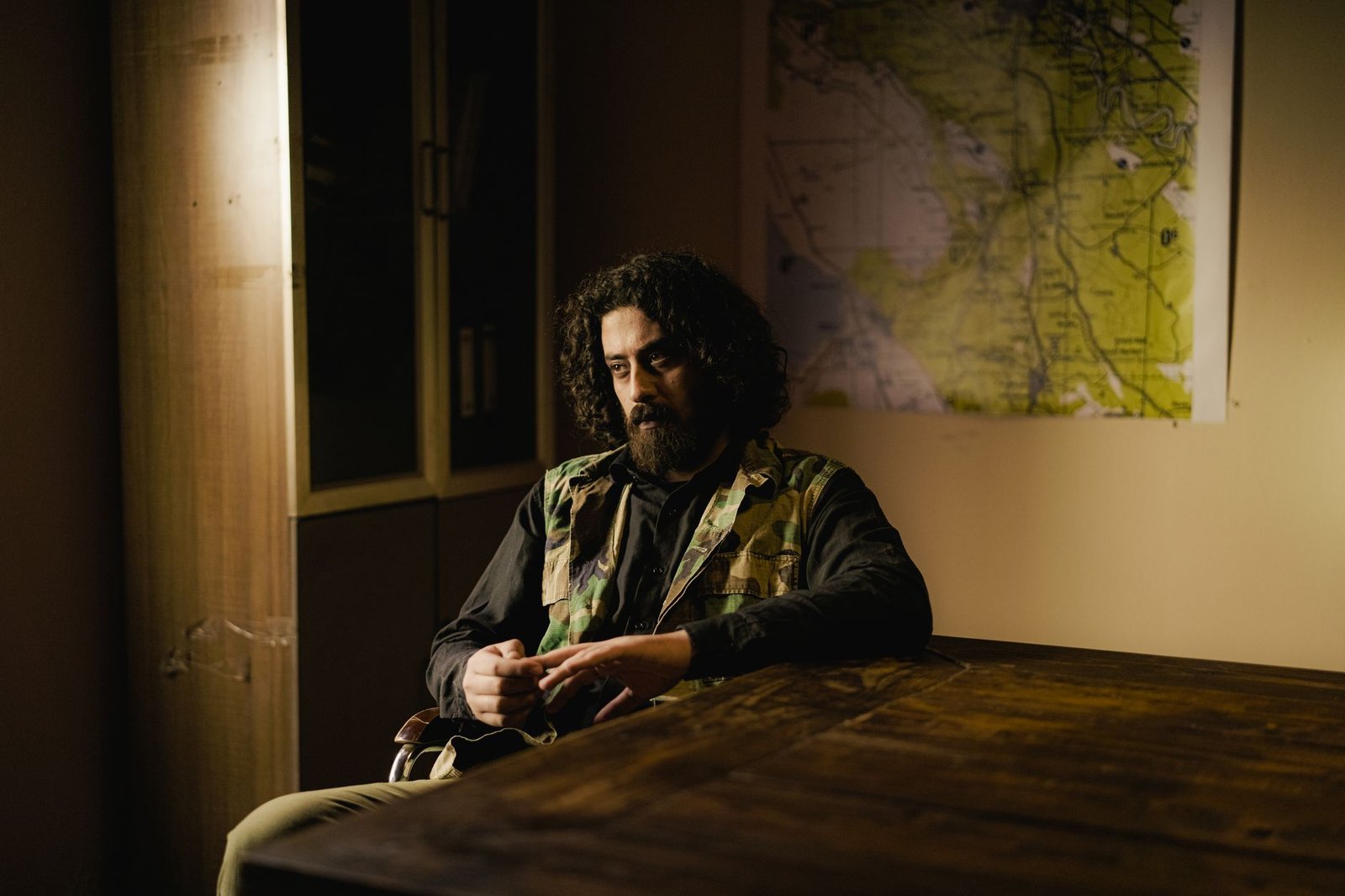
The line, and what stands on either side of it
Per the New York Post, Israel currently holds ground across more than 50 percent of the Gaza Strip, including its east and south, and parts of Netanyahu's cabinet want that footprint extended rather than reduced.
On Sunday Netanyahu also said something that has nothing to do with sequencing: while he is prime minister, no Palestinian state will be established, not in Gaza and not in the West Bank. Per the New York Post, last October's 20-point plan ran in 3 phases, and its third phase was precisely that.
So the argument about order is the surface. Underneath sits an argument about the destination. No sequence resolves that one.
Per the Daily Wire, Nikolay Mladenov, the Board of Peace's senior representative for Gaza, has met Netanyahu repeatedly in recent months, most recently on Monday. Per the New York Post, a senior Hamas figure responded by calling on the mediators and the American guarantor to press Netanyahu back onto the roadmap.
The machine-verification thread runs through the AI that verifies AI, and the forged-evidence one through the deepfake case files.
The most important name that was in no headline
Sahand Naseri Kataki was 15 years old.
Per the Karun Human Rights Organisation, he was killed in Karaj on 18 Dey 1404 — 8 January 2026 — by 3 bullets to the heart, fired by security forces. Per the same source he was born on 25 April 2010, which made him exactly 15 on the day he died.

His family are Bakhtiari, from Tester — Shushtar, in Khuzestan. He was killed hundreds of kilometres from that town, in Alborz province.
There is no document for him. No board. No order of operations.
His name reached the outside while the network was down. The prisonbreak network is the catalogue of how that is done, and of what still works when a country goes dark.
Read on
The anatomy of a war holds the file on the war these documents keep circling.